Cameron Hayes · 28 October 2026
Shifting Curricula: How EU-Backed Biology Tools Are Reshaping Lab Access in Underserved Regions
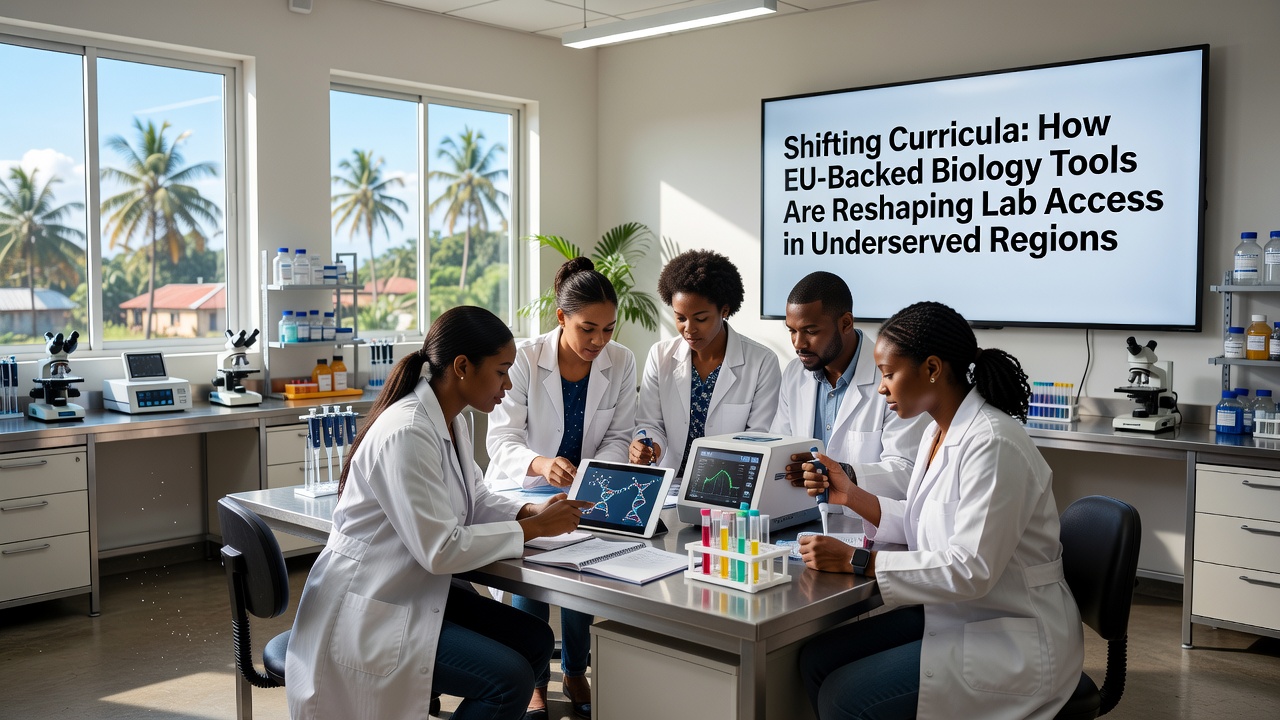
European Union funding programs have expanded access to biology education tools across regions where traditional laboratory infrastructure remains limited, and data from the European Commission shows that grants under Horizon Europe and Erasmus+ have supported distribution of portable equipment and virtual platforms since 2023. Researchers at institutions in Poland, Romania, and parts of southern Italy report that these resources allow students to conduct experiments in genetics, ecology, and cellular biology without relying on centralized university facilities, while curriculum adjustments in participating schools now incorporate modules on digital microscopy and data analysis from remote sensors.
Expansion of Digital and Portable Biology Resources
Programs backed by the EU have introduced compact PCR devices, smartphone-compatible microscopes, and browser-based simulation software that replicate complex biological processes, and figures from education ministries indicate deployment in over 1,200 secondary schools by mid-2025. Students in rural areas of Bulgaria and Croatia now analyze DNA samples collected from local environments using kits that connect to cloud databases maintained through EU partnerships, which reduces the need for expensive on-site refrigeration units and specialized staff. Observers note that these tools align with updated national curricula that emphasize data interpretation over rote memorization of lab procedures, creating pathways for students who previously lacked equipment for hands-on work.
One initiative launched in 2024 focused on virtual reality interfaces for dissection and cell modeling, yet the core emphasis remained on hybrid approaches that combine physical kits with online platforms, and reports from participating districts show increased enrollment in advanced biology tracks. Teachers trained through EU-sponsored workshops integrate these resources into standard lesson plans, allowing classes to run parallel sessions where some groups use physical samples while others explore simulations of the same processes.
Impact on Underserved Communities and Curriculum Design
Regions classified as underserved under EU cohesion criteria have seen measurable shifts in laboratory availability, with data compiled by national education agencies revealing that biology experiment completion rates rose by 35 percent in targeted districts between 2022 and 2025. Curricula updates require students to document findings through shared digital repositories, which facilitates collaboration between schools separated by geography and enables peer review of results across borders. Experts from the OECD education directorate have tracked similar patterns in other member states, noting that access to these tools correlates with higher participation in science competitions and regional research fairs.
Take the case of a network of schools in eastern Slovakia where EU grants supplied portable electrophoresis units and software for phylogenetic tree construction, and local educators report that students now complete independent projects on biodiversity that feed into national databases. These activities replace earlier reliance on occasional field trips to distant facilities, and the integration of such projects into grading systems reflects broader policy changes that value applied skills alongside theoretical knowledge.
Timeline and Developments Through 2026
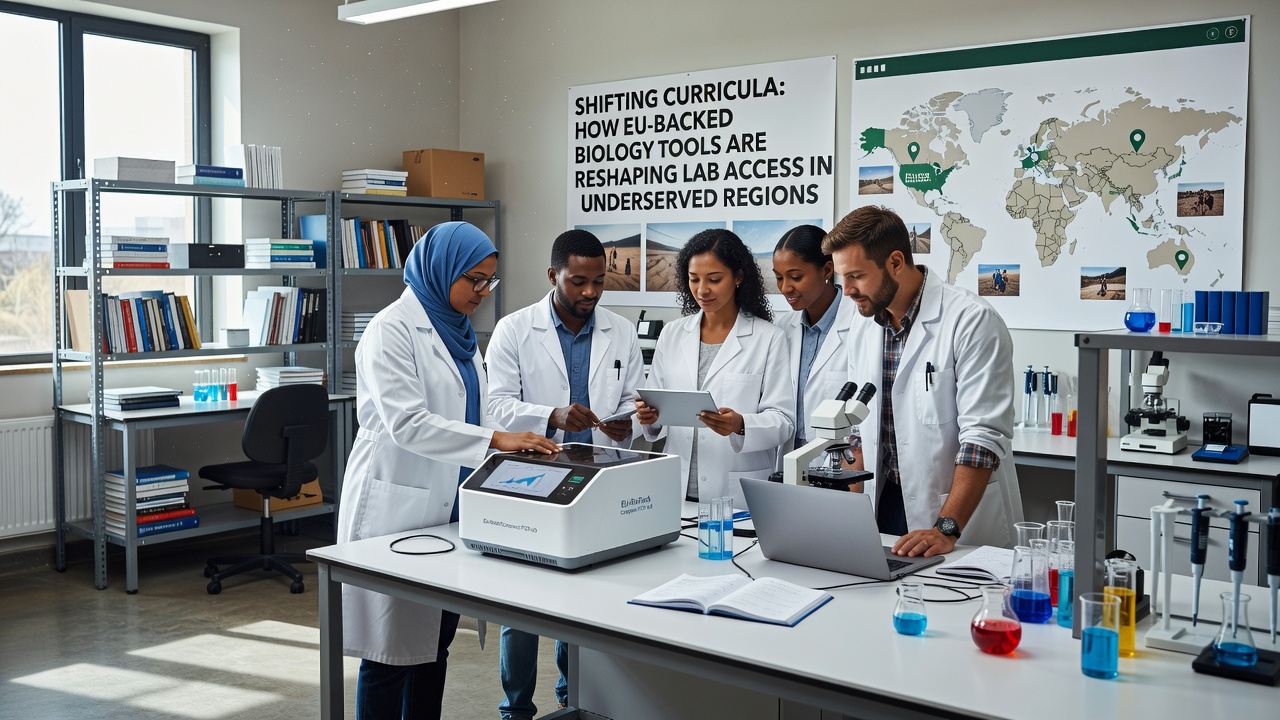
Rollouts scheduled for October 2026 include expanded access to AI-assisted image analysis tools for plant and microorganism identification, with pilot programs already underway in Portugal and Latvia. Funding allocations announced earlier this year direct resources toward teacher certification programs that cover both technical operation and ethical considerations around data sharing in biological research. According to updates from the European Education and Culture Executive Agency, these steps build on earlier phases that established baseline connectivity in schools lacking reliable internet until recent infrastructure investments.
Studies conducted by research teams at the University of Helsinki have examined how these biology tools influence student retention in STEM pathways, and preliminary results indicate sustained engagement when curricula blend local ecological questions with standardized digital protocols. Partnerships with industry suppliers ensure that equipment meets EU safety and interoperability standards, which simplifies maintenance across multiple countries and languages.
Challenges Addressed Through Coordinated Funding
Initial barriers included inconsistent teacher preparedness and variable internet reliability, yet targeted training modules delivered through EU platforms have narrowed gaps in several regions. Data collected by the European Centre for the Development of Vocational Training shows that schools receiving both equipment and follow-up support demonstrate stronger implementation compared with equipment-only distributions. Curriculum frameworks now include assessment criteria that credit collaborative online experiments, which encourages schools to maintain active connections with partner institutions.
Additional support comes from cross-border exchanges where educators share lesson adaptations that account for local species and environmental conditions, and this approach maintains scientific rigor while respecting regional differences. Reports from the Australian Council for Educational Research on comparable international programs provide context on scalability, though EU efforts remain distinct in their emphasis on cohesion policy goals.
Conclusion
EU-backed biology tools continue to alter laboratory access patterns in underserved regions through a combination of physical equipment, digital platforms, and curriculum alignment, with ongoing phases set to expand these changes through 2026 and beyond. Participation metrics and project outcomes documented by education authorities demonstrate consistent uptake across multiple member states, while adjustments in teaching methods reflect the practical requirements of operating these resources in varied school environments. The pattern shows integration of new capabilities into existing structures rather than wholesale replacement of traditional approaches.